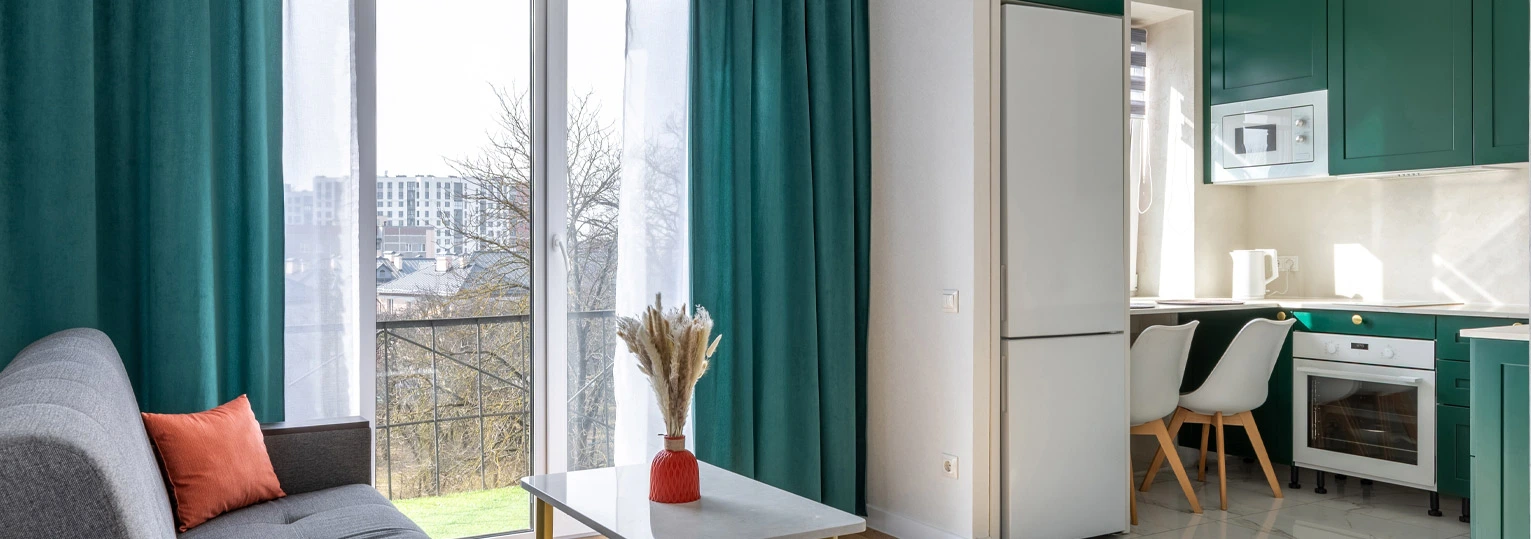
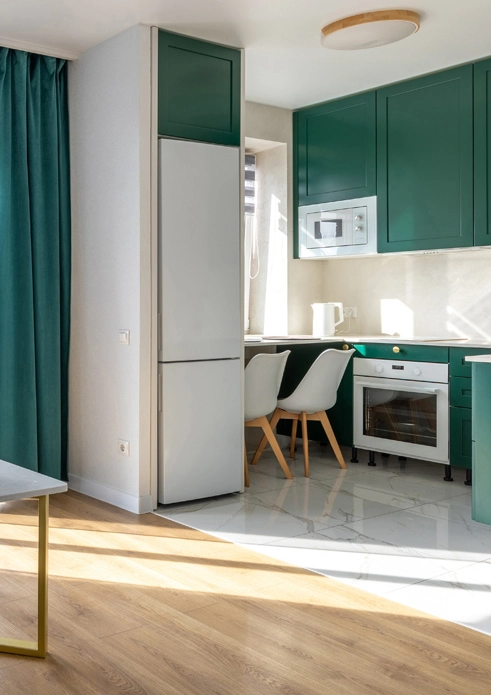



Urban living in India’s metros like Mumbai, Delhi, Bengaluru, Hyderabad and Pune often means living in compact apartments — frequently 2BHKs under 700–900 sq. ft., builder-grade layouts, and efficient room planning that has to accommodate multiple daily functions. Whether it’s a living room that doubles as a guest room and WFH space, or a bedroom with barely enough room for a bed and a wardrobe, smart space planning isn’t just aesthetic — it’s essential for quality of life.
At Bonito, we believe that planning-led design — where every square inch has a purpose — is the foundation of making a compact home feel spacious, functional, and beautiful without adding square footage. This planning-first POV threads through every idea below.
When floor area is limited, furniture must do more than just look good. In Indian 2BHKs — especially those in Mumbai’s micro-flats or Bengaluru’s gated development complexes, a carefully chosen multifunctional piece can often eliminate the need for a second item entirely.
Examples that work well in Indian apartments:
In a typical 2BHK where the living room is also a guest space after sundown, a sofa-cum-bed doubles seating and sleeping space — no dedicated guest bedroom required.
These can serve as a dining table by evening, a WFH desk by day, and fold flat when not needed — critical in homes with no separate study.
Ideal for festive family gatherings in cities where average dining space is tiny; compact daily, expandable for special occasions.
When multifunctional furniture doesn’t work:
Can overwhelm a small room — think a bulky murphy bed that blocks light from a window.
Flimsy wall beds or folding tables can fail quickly in daily use. Always invest in durable hardware and frames.
Low ceilings or beam placements can limit clearance, making some multifunctional furniture impractical.
Integrate multifunctional pieces only after layout and movement planning — furniture should enable living, not restrict it.
When horizontal space is limited, look up. Indian apartments often have tall ceilings but face challenges such as exposed beams, ducting, and loft regulations imposed by societies or builders.
Vertical space strategies that actually work:
Ideal for storing suitcases, seasonal clothes, and festival crates. Ensure easy reach using foldable steps or accessible shutters.
Keeps books and decor off the floor while visually drawing the eye upward.
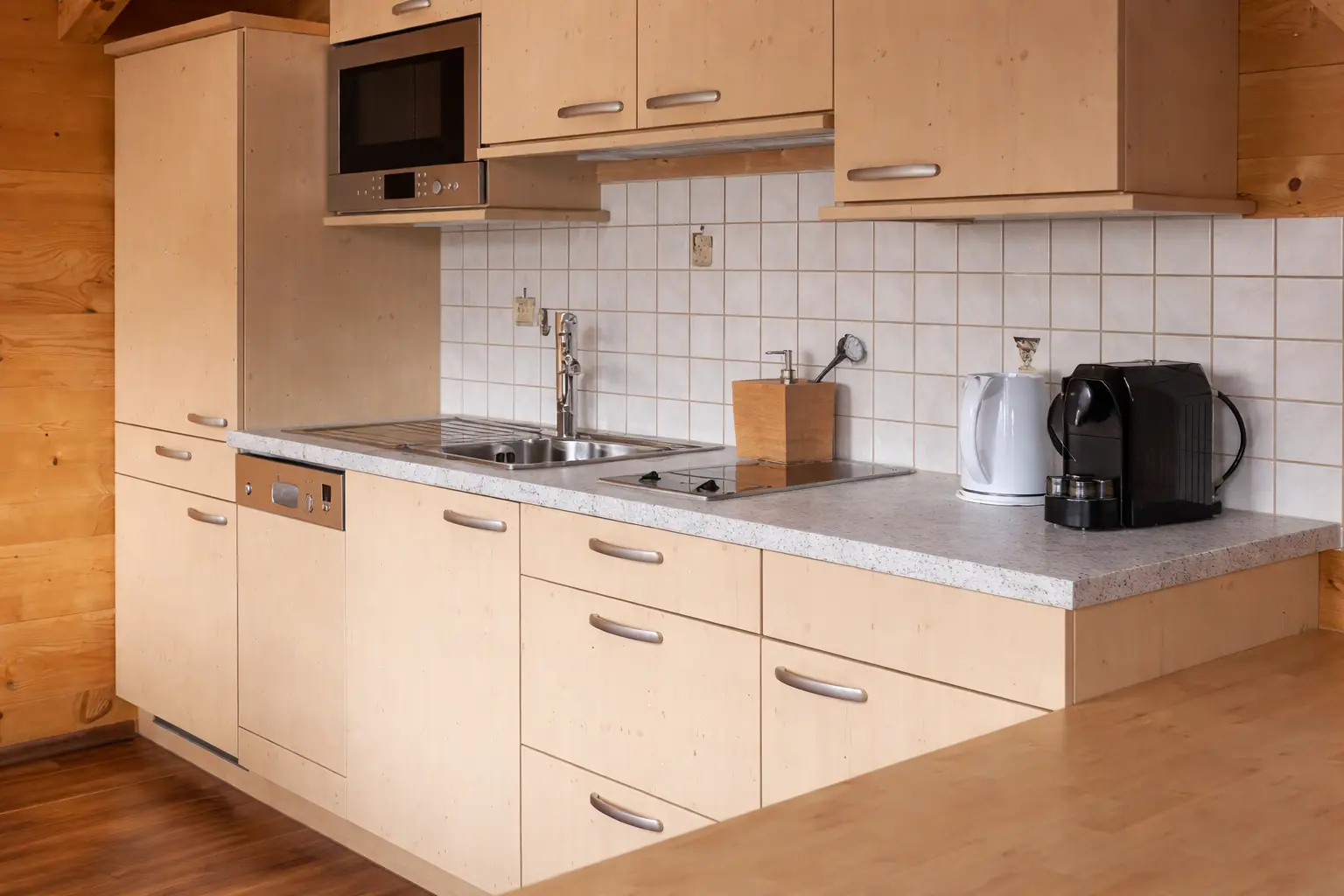
Uses vertical wall space to reduce countertop clutter.
Custom built-ins can be transformational in compact Indian apartments, where every inch counts.
Solved by built-in shoe cabinets beneath benches or under stairs.
Washing machines, ironing boards, and cleaning storage can be integrated into cabinetry near balconies.
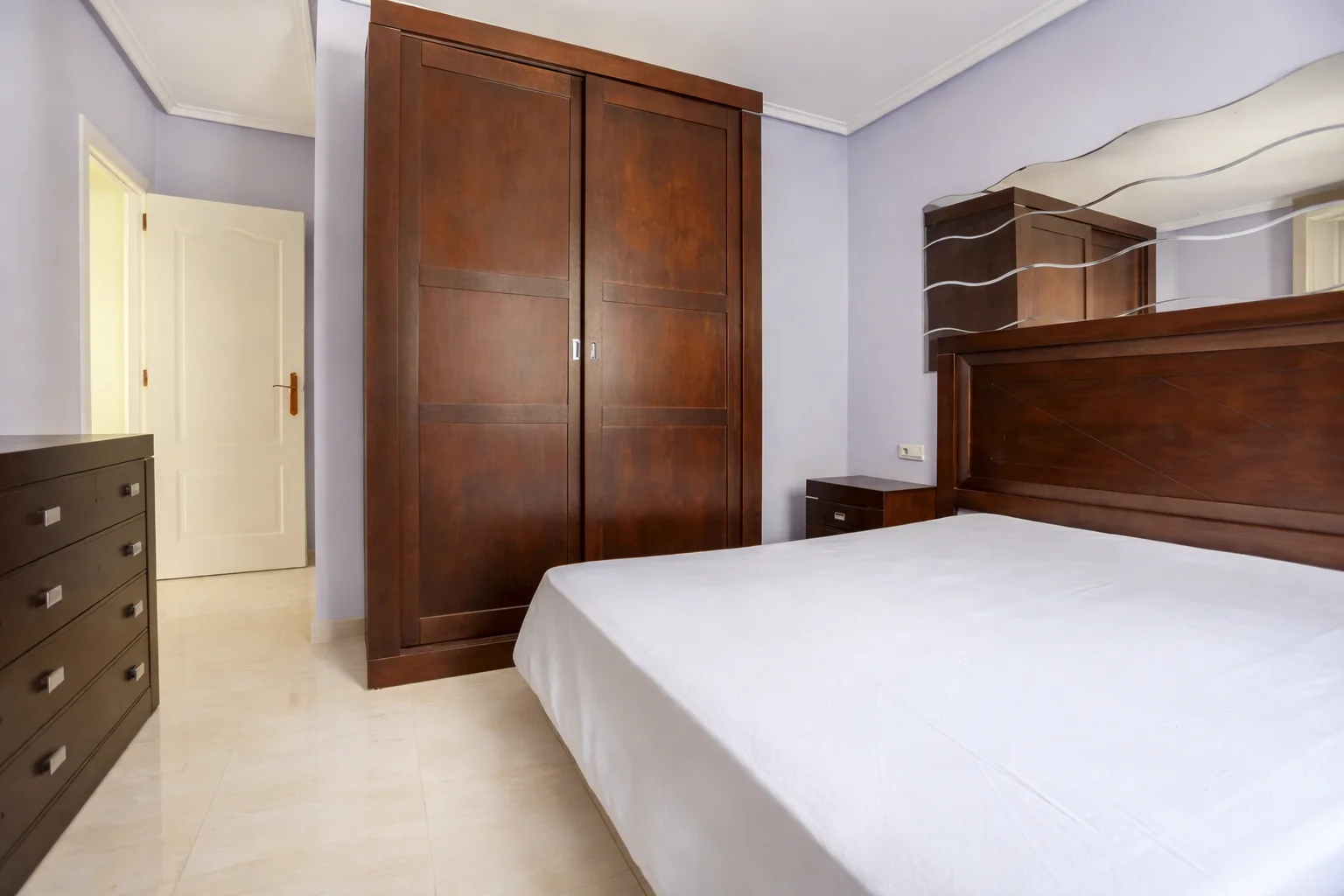
Floor-to-ceiling wardrobes with internal dividers maximise storage without extra bulk.
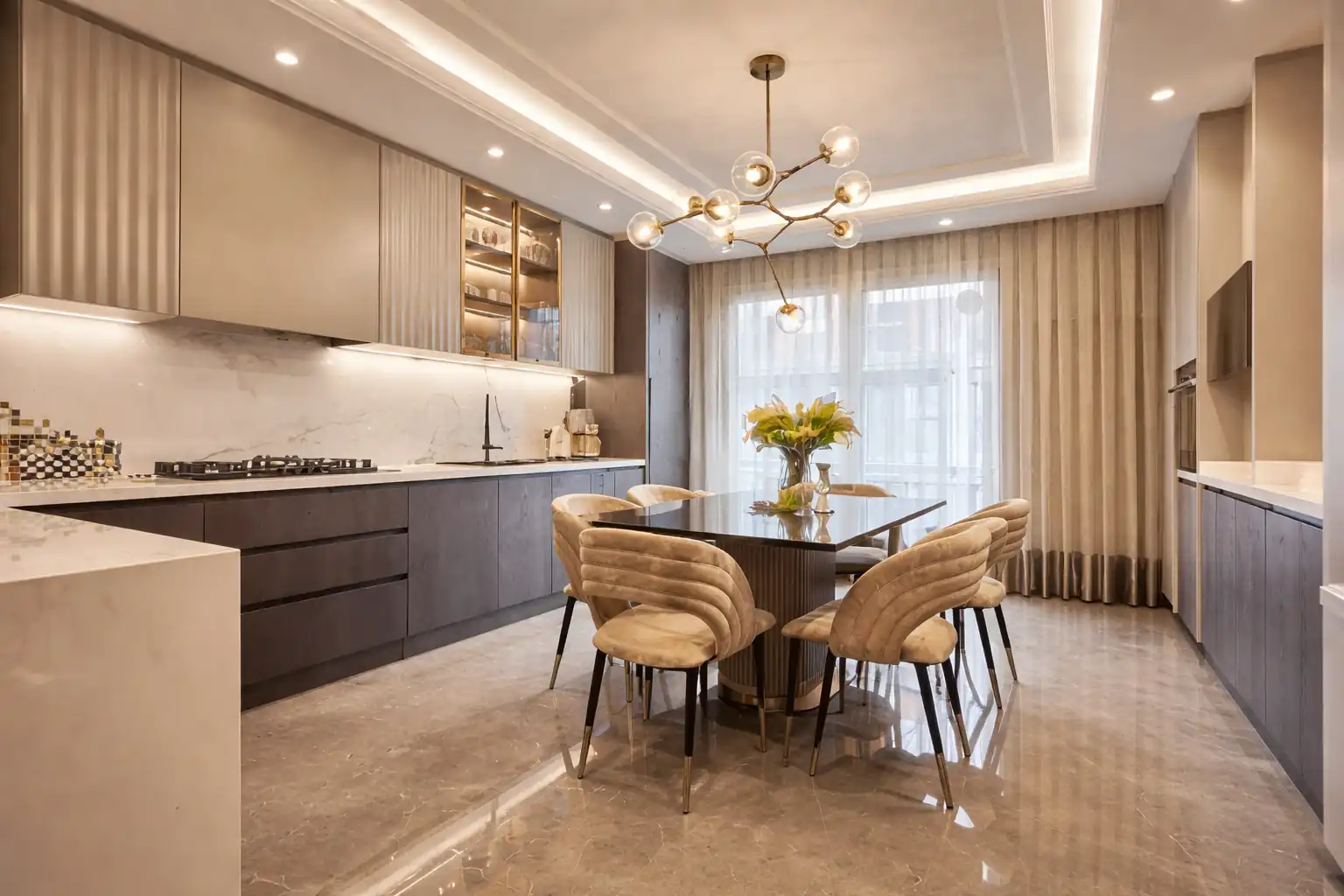
Compact homes benefit from light colours, clean lines, and layouts that promote flow. Reflective surfaces and mirrors help amplify daylight in deep-plan apartments.
Smart zoning through lighting, rugs, and furniture placement helps one space serve multiple roles — living, dining, working, and resting — without walls.
Compact city apartments in India demand planning-led design. With multifunctional furniture, vertical storage, built-ins, and thoughtful layouts, even a modest 2BHK can feel open, calm, and highly functional.
Remember: the goal isn’t just to save space — it’s to make space work for you.